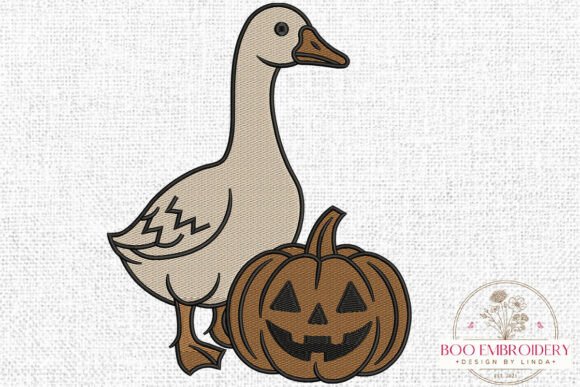
Pumpkin Duck Embroidery Design
A Playful, Seasonal Statement for Boutique Apparel
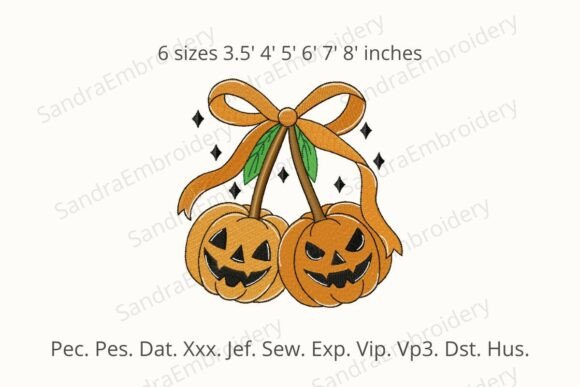
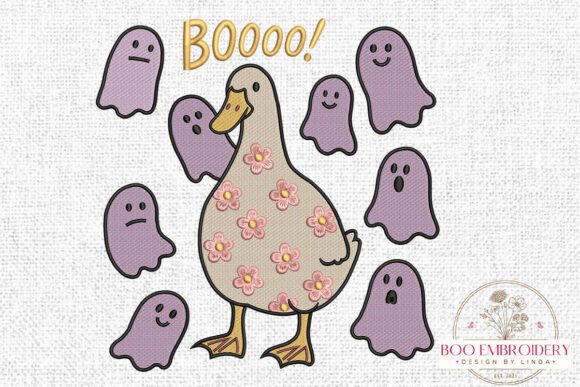
As an embroidery designer who’s developed collections for small clothing brands and Etsy sellers over the past decade, I approach every new Creative Fabrica embroidery file with a mix of curiosity and scrutiny. The Pumpkin Duck Embroidery Design immediately stood out—not as a clichéd Halloween motif, but as a clever, character-driven machine embroidery design with genuine charm. Visually, it balances whimsy and polish: think rounded pumpkin curves softened by duck-like features—beak, eye, and subtle feather texture—all rendered in clean, confident stitching lines. It’s not overly detailed or fussy, which is ideal for apparel. The mood? Playful, lighthearted, and quietly confident—not childish, not ironic, and definitely not generic. That nuance matters when you’re building a boutique brand identity around handmade product integrity.
How It Performs on Sweatshirts & Hoodies
For sweatshirt embroidery—especially neutral heather grays, oatmeals, and soft blacks—the Pumpkin Duck Embroidery Design reads beautifully at 3.5"–4.5" chest placement. Its compact shape avoids overwhelming the garment’s silhouette, while its balanced weight (neither too light nor too dense) holds up well on fleece and brushed-back cotton. On oversized hoodies, I’d place it slightly higher than center chest to maintain visual proportion—and consider pairing it with a minimalist tagline in matching thread for cohesive branding. As a sleeve accent? Surprisingly effective at 2.75", especially on pastel hoodies where the contrast feels fresh and intentional. For back designs, it works best as part of a trio or quartet layout rather than solo—it’s charming, but not monumental enough to anchor a full-back statement on its own.
T-Shirts, Denim, Totes & Lifestyle Presentation
On structured cotton tees, the Pumpkin Duck Embroidery Design shines with crisp definition—no bleeding, no puckering—if stabilized correctly. It’s equally at home on denim jackets (use medium-weight cutaway stabilizer) and sturdy canvas totes, where its cheerful personality elevates everyday utility into lifestyle merchandise. For boutique brands curating seasonal collections, this design bridges Halloween and general autumnal appeal—making it commercially flexible beyond October. When styled in printable mockups or social media graphics, it photographs cleanly: no tiny lettering to blur, no fragile fill areas that lose clarity at small scale. That visual consistency helps build product recognition across Etsy listings, Instagram posts, and email campaigns.
Design Sensibility Meets Real-World Fabric Challenges
This isn’t a “set-and-forget” embroidery file. Its charm lies in thoughtful execution. On stretchy fabrics like ribbed knits or lightweight French terry, I recommend testing stitch density first—some versions of this design may include tighter satin borders that pull if hooped too tightly. Curved surfaces (like shoulder seams or tapered sleeves) benefit from repositioning the hoop mid-stitch or using a smaller hoop size for better control. Dark garments demand attention to thread color contrast: matte black or charcoal thread reads richly against navy, but avoid glossy threads that create unintended shine disparities. And on textured surfaces—think bouclé sweatshirts or slub cotton—opt for slightly looser tension and confirm stabilizer choice aligns with fabric texture. A tear-away won’t hold on fleece; a cutaway will.
Strategic Value for Small Creative Businesses
For Etsy sellers and small shop owners, the Pumpkin Duck Embroidery Design offers more than seasonal decoration—it’s a subtle brand amplifier. When repeated across a limited hoodie drop or paired with coordinating patchwork elements, it reinforces visual consistency without feeling repetitive. Customers notice that cohesion. It signals intentionality, which builds buyer trust faster than generic clipart-style motifs. Because it’s inherently friendly—not edgy, not spooky, not sarcastic—it appeals broadly across age groups and style preferences, widening your potential audience without diluting your boutique brand voice. And unlike highly detailed Halloween embroidery files that date quickly, this one has staying power: use it in October, yes—but also in early November for cozy fall merch, or even spring-summer reinterpretations on gauzy linen tops with tonal thread.
Practical Designer Notes Before You Stitch
- Always test on scrap fabric that matches your final garment’s weight, stretch, and finish—especially for commercial embroidery runs.
- Review stabilizer choice carefully: medium-weight cutaway for stable knits, fusible + tear-away for wovens, and adhesive-backed cutaway for fleece or heavy loopback.
- Check thread color contrast on your actual fabric swatch—not just the screen preview. Lighting changes everything.
- Confirm hoop size requirements before digitizing adjustments—some Creative Fabrica embroidery files come in multiple sizes, others are fixed.
- Inspect stitch density visually: look for areas where satin stitches might crowd or fill stitches could cause stiffness on lightweight apparel.
- Test on the same garment type you’ll sell—hoodie fabric behaves differently than t-shirt jersey, and results vary.
- Compare placement options using a water-soluble marker and a printed template before hooping.
- Before selling finished product, review the Creative Fabrica product details and licensing terms—especially for commercial embroidery use and digital resale restrictions.
Final Thought: Charm With Craftsmanship
The Pumpkin Duck Embroidery Design succeeds because it respects both the craft and the customer. It doesn’t shout—it invites. It’s not trend-chasing, yet it feels current. For embroidery shops stitching custom apparel or makers launching their first small-batch hoodie line, it’s a reliable, expressive tool—not just a holiday filler. Used intentionally, it adds warmth, wit, and quiet professionalism to any piece of apparel. And in today’s market, where handmade product authenticity drives engagement and repeat sales, that kind of thoughtful detail isn’t optional. It’s essential.