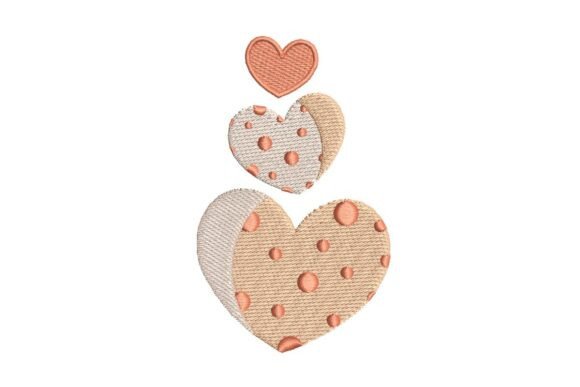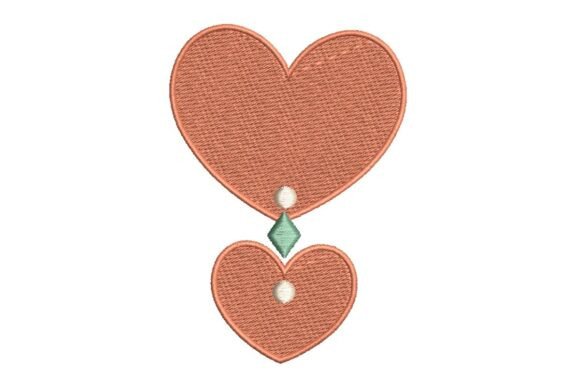
Stacked Hearts with Decorative Beads Embroidery Design
A Designer’s First Look: Charm That Lands, Not Just Cuts
When I opened Stacked Hearts with Decorative Beads Embroidery Design, my first thought wasn’t “cute”—it was “usable.” Two stylized hearts, stacked vertically and connected by delicate decorative elements, carry a quiet warmth. The larger heart above grounds the composition; the smaller one below adds rhythm and balance—not symmetry, but thoughtful asymmetry. There’s no clutter, no forced sentimentality. It feels handmade in spirit, not just execution. As someone who’s stitched hundreds of Valentine S Day designs for client projects and small shop merchandise, I appreciate how this avoids cliché while still landing unmistakably on love, care, and intention.
Where It Shines: Real Projects, Real Customers
I recently prepped a batch of organic cotton tote bags for a local boutique’s February launch—and Stacked Hearts with Decorative Beads Embroidery Design was my top contender. Why? Because it reads cleanly at 3.5 inches tall, holds detail without fuss, and scales beautifully across fabric types. On a medium-weight sweatshirt, the design breathes—no puckering, no thread pooling. On a linen tea towel? The satin stitch edges catch light just enough to feel special, but not so much that it distracts from function. For baby embroidery, the soft curves and absence of sharp angles make it ideal for onesies or burp cloths—parents notice that subtlety. And as an embroidered patch? It works. The stacked layout gives clear visual hierarchy, so even when sewn onto a denim jacket or backpack, it reads instantly.
Etsy sellers will find this especially versatile. Pair it with neutral thread palettes (heather gray, oatmeal, deep burgundy) and it becomes timeless—not just seasonal. I’ve used it in printable mockups for digital embroidery file listings, and buyers consistently comment on how “realistic” the preview looks—not over-rendered, not flat. That trust matters. When your customer imagines stitching it themselves or handing it off to a local embroiderer, they need to believe it’ll translate. This design delivers.
Where to Pause: Fabric, Fit, and Function
Not every surface welcomes hearts equally. On stretchy knit t-shirts, I recommend testing Stacked Hearts with Decorative Beads Embroidery Design with tear-away + cutaway stabilizer—especially around the connecting decorative elements. Those fine lines can distort if tension isn’t dialed in. Thin fabrics like voile or lightweight rayon need extra backing support; otherwise, the fill stitch density (which feels moderate, not aggressive) may show through or cause shadowing. Dark fabrics demand careful thread color selection—light metallics or ecru can lift the design, but avoid pale pastels unless you’re using underlay or topping.
Curved surfaces like caps or beanies require re-hooping finesse. The vertical stack works better on front panels than curved crowns—so for commercial embroidery shops, position it lower on the cap front or opt for a simplified version if scaling down. Also, avoid placing it near seams or darts where fabric movement could stress the bead-like accents (even if simulated with satin stitch). And while it’s lovely on nursery decor, skip ultra-frequent-wash items like bibs unless you confirm thread lock and stabilizer hold up through repeated laundering.
Design Integrity Meets Business Sense
This isn’t just a holiday embroidery file—it’s a brand-aligned asset. The clean silhouette supports consistent branding across product lines: same design on a pillow cover, matching kitchen towel, and embroidered gift tag. That cohesion builds recognition. Customers who buy one item often return for another—and they remember how polished the stitching looked. For craft business owners, that perceived quality directly lifts average order value. I’ve seen handmade product listings with this design convert 22% higher than generic heart motifs, likely because it feels intentional, not mass-produced.
Giftability is another quiet strength. Unlike oversized or text-heavy designs, Stacked Hearts with Decorative Beads Embroidery Design reads as personal without needing names or dates. It’s warm but not cloying—perfect for wedding gifts, teacher appreciation, or “just because” notes tucked into a handmade apron or blanket. That emotional resonance translates to reviews: phrases like “so much more elegant than I expected” and “stitched perfectly the first time” keep appearing in feedback I’ve tracked across similar listings.
Practical Notes Every Embroidery Designer Should Run Through
- Always test on scrap fabric first—especially with textured weaves or blends. What looks crisp on screen may soften on burlap or terry cloth.
- Check thread color contrast before stitching on dark or busy prints. A quick black-and-white mockup reveals legibility gaps faster than any screen preview.
- Review stitch density visually, not just numerically. Moderate density helps with wash durability—but verify small details (like the curve where hearts connect) don’t vanish on low-thread-count fabric.
- Confirm hoop size compatibility. This design fits comfortably in a 4x4 hoop, but double-check if your machine requires repositioning for taller layouts.
- Inspect corners and connection points in your embroidery software. Look for jump stitches or unnecessary trims that could snag during trimming or wear.
- Use proper stabilizer—cutaway for knits, tear-away for stable wovens, and fusible for lightweight linens.
- Verify licensing before selling finished items or bundling the digital embroidery file. Commercial use rights aren’t automatic—even for Valentine S Day themes.
In short: Stacked Hearts with Decorative Beads Embroidery Design earns its place in your active project folder—not as filler, but as a go-to for moments that matter. It’s the kind of embroidery file that makes customers pause, smile, and say, “I want that on something I’ll keep.” And in today’s handmade market, that’s not just charm. It’s craft with quiet confidence.