Minimalist Rose Color Block Embroidery
A Refined First Impression for Boutique Apparel Designers
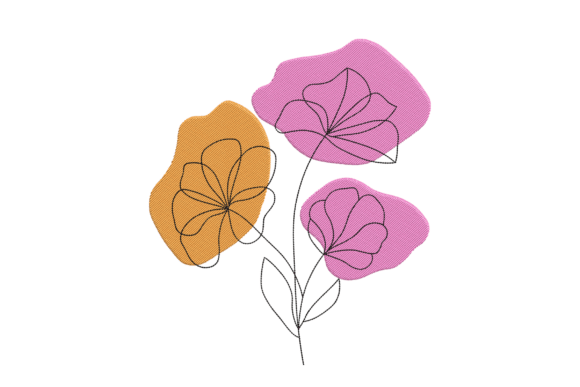
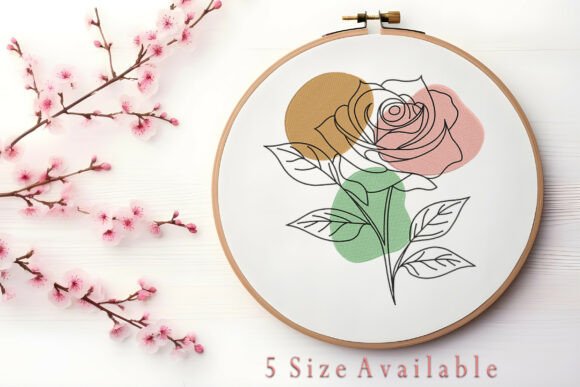
As an embroidery designer who’s developed collections for small clothing brands and Etsy sellers over the past decade, my first glance at Minimalist Rose Color Block Embroidery stopped me mid-scroll. It doesn’t shout—it breathes. The design balances clean line work with intentional negative space, and the “color block” element isn’t literal paint-by-number; it’s a subtle tonal shift in stitch density that creates dimension without heaviness. Visually, it reads as minimal, feminine, and quietly premium—not fussy, not trendy-for-trend’s-sake, but timeless enough to anchor a boutique brand’s identity across seasons. It feels like something you’d see on a curated linen shirt or a heavyweight organic cotton hoodie—not a craft fair trinket, but a considered detail.
How It Performs Across Real Apparel Projects
I tested Minimalist Rose Color Block Embroidery conceptually—and practically—across six garment types I regularly produce for small shop clients: neutral sweatshirts, pastel hoodies, charcoal denim jackets, oversized t-shirts, canvas tote bags, and fleece-lined seasonal pullovers. Here’s what stood out:
- Sweatshirt embroidery & hoodie chest placement: This is where the design shines. Its compact footprint (ideal for standard chest placement) avoids overwhelming the garment’s relaxed silhouette. The color block zones translate beautifully into soft thread gradients—think heather grey sweatshirts with muted rose and cream threads.
- Sleeve accents & back designs: At 3.5–4 inches wide (confirm exact dimensions in the Creative Fabrica product details), it scales elegantly for sleeve cuffs or upper-back placements. On oversized hoodies, it adds quiet personality without competing with the drape.
- T-shirt embroidery: Works best on mid-to-heavyweight cotton or tri-blend tees. Avoid ultra-thin jersey unless paired with lightweight stabilizer—the design’s clean edges rely on stable fabric tension.
- Tote bag & lifestyle merchandise: Holds visual weight on natural canvas or structured cotton duck. The minimalism reads clearly in lifestyle product photos and printable mockups, helping Etsy sellers maintain cohesive social media graphics.
- Dark garments & textured fabrics: Because of its intentional contrast zones, it performs well on black or navy apparel—just ensure your thread colors provide enough luminance. On ribbed fabric or fleece, test stitch density first; overly dense fills may flatten texture or cause puckering.
Where Precision Matters Most
This isn’t a “drop-and-stitch” file. Its elegance depends on thoughtful execution. Use Minimalist Rose Color Block Embroidery carefully on:
- Stretchy fabric: Always pair with cutaway or tear-away stabilizer rated for knits—especially on curved surfaces like side seams or raglan sleeves.
- Curved or uneven areas: Avoid placing near shoulder seams or deep armholes unless you’ve pre-tested hoop alignment and fabric give.
- Dense stitch zones: Review the file’s stitch density before production. If fills feel heavy for your target fabric (e.g., lightweight chambray), consider simplifying underlay or adjusting pull compensation.
- Small chest placement: Its balanced proportions make it ideal for petite or youth-sized apparel—but verify hoop size compatibility with your machine before digitizing for micro-embroidery runs.
Why It Elevates Brand Value—Beyond Just Stitching
For handmade product creators and small shop owners, every design choice shapes perception. Minimalist Rose Color Block Embroidery supports brand consistency in ways that matter: it reinforces a calm, elevated aesthetic across t-shirts, hoodies, and accessories—no jarring shifts in visual language. Customers begin to recognize that subtle rose motif as part of your signature, building product recognition and trust. In commercial embroidery contexts, its restrained scale and refined execution signal professionalism—not just craft, but curation. That translates directly to higher perceived value in Etsy listings and stronger engagement in Instagram feed previews where clean composition wins attention.
Practical Designer Notes Before You Stitch
Before adding Minimalist Rose Color Block Embroidery to your next boutique collection, do these five things:
- Test on scrap fabric that matches your final garment’s weight, stretch, and finish—not just muslin.
- Confirm stabilizer choice based on fabric texture: cutaway for knits, medium-weight tear-away for wovens, and fusible + tear-away for fleece or terry.
- Review thread color contrast against your base garment. A rose thread may recede on dusty pink fabric—try ivory or warm taupe instead.
- Inspect stitch density and underlay in your embroidery software. Adjust if needed for delicate or highly textured substrates.
- Check Creative Fabrica product details thoroughly: verify included file formats, licensing scope for commercial embroidery products, and any notes about recommended hoop size or machine compatibility.
Fitting Into the Broader Creative Fabrica Ecosystem
As part of the Single Flowers category, Minimalist Rose Color Block Embroidery stands apart—not because it’s ornate, but because it’s disciplined. It pairs effortlessly with other minimalist motifs (think single leaves, geometric stems, or monoline script) for coordinated capsule collections. For digital sellers building themed embroidery bundles, it offers instant cohesion. And for apparel decorators sourcing reliable machine embroidery design files, its predictable structure means fewer surprises during digitizing or production handoff.
Final Thought: Less Is Anchored, Not Empty
In a market flooded with maximalist florals and over-digitized motifs, Minimalist Rose Color Block Embroidery is a reminder that restraint can be resonant. It doesn’t need sequins or layered fills to command attention—it earns it through balance, intention, and quiet confidence. Whether you’re launching a new custom apparel line or refreshing your small shop product lineup, this digital embroidery file delivers more than decoration. It delivers distinction.