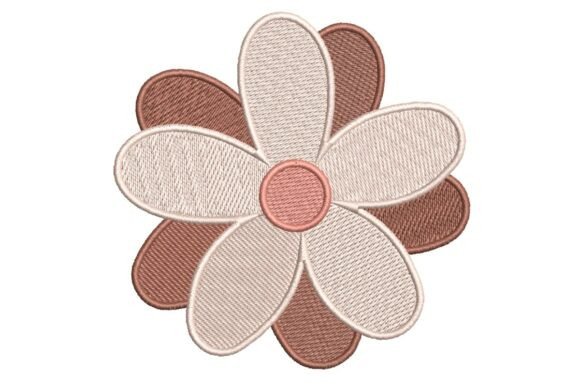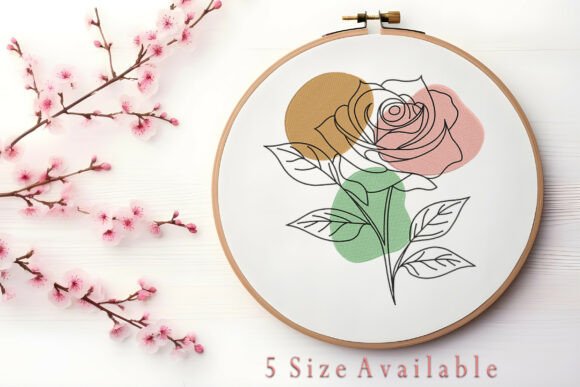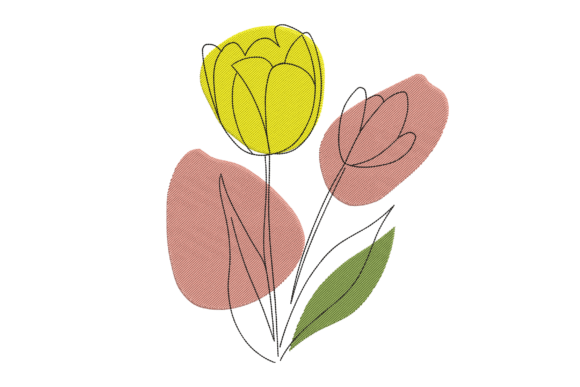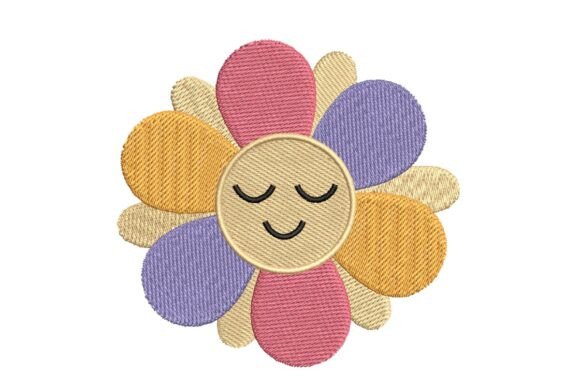
Minimalist Three Flower Embroidery Art
A Quiet Statement That Stitches Well
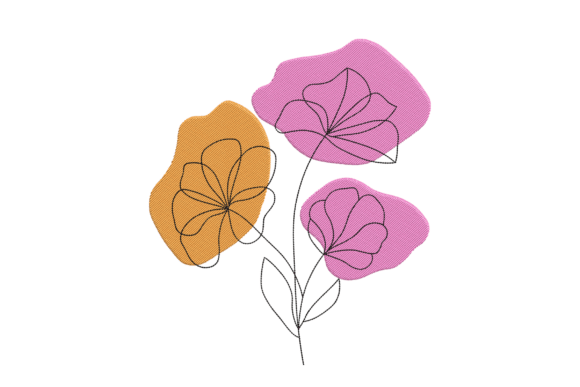
When I opened the Minimalist Three Flower Embroidery Art file for the first time, I didn’t reach for my hoop right away—I paused. There’s something rare in machine embroidery design: restraint that still feels intentional, not underdeveloped. This isn’t a cluster of blooms fighting for attention. It’s three distinct flowers—slightly varied in scale and orientation—arranged with breathing room. No filler leaves, no dense filler stitches, no ornate borders. Just clean lines, gentle curves, and a rhythm that suggests growth, not clutter. It reads as calm, thoughtful, and quietly confident—exactly the kind of embroidery file that elevates a handmade product without shouting.
How It Landed on a Linen Tote Bag (My Real-World Test)
Last week, I used the Minimalist Three Flower Embroidery Art on a natural linen tote for a small boutique client. We placed it centered on the lower third of the front panel—no text, no monogram, just the design alone. The result? Instant cohesion. Customers noticed it immediately—not because it was flashy, but because it looked *meant* to be there. The stitch density felt balanced: enough fill stitch to hold shape on the loosely woven linen, but light enough that the fabric’s texture still showed through. No puckering. No thread nesting. And crucially—no one mistook it for a printed transfer. That handmade authenticity matters, especially for Etsy sellers and craft fair shoppers who pay a premium for visible craft intention.
Where This Design Shines (and Where It Asks for Thought)
The Minimalist Three Flower Embroidery Art is unusually versatile—but not universal. It thrives on stable, medium-weight fabrics: cotton canvas for aprons, midweight terry for kitchen towels, brushed cotton for baby onesies, and fleece-backed sweatshirts where subtlety reads as luxury. On a structured cap? Yes—but only if you use a tear-away stabilizer and hoop the front panel flat. On stretchy jersey or thin voile? Not without significant digitizing tweaks or added backing; the open layout doesn’t anchor well on unstable surfaces.
It’s also a quiet performer on dark fabric—especially when stitched in soft ecru or oatmeal thread. But avoid pairing it with highly textured bouclé or heavy corduroy unless you’re willing to increase underlay and test extensively. The design’s elegance lives in its clarity, and texture can blur that. Likewise, don’t force it into a 3-inch hoop if your machine struggles with tight corners—the outer petals extend just enough to need space. Always confirm your hoop size before stitching, and run a test on scrap fabric first.
What It Adds to Your Craft Business (Beyond Pretty Stitches)
For Etsy sellers and small shop owners, this machine embroidery design is a subtle branding asset. It doesn’t scream “handmade”—it *whispers* it. That whisper builds trust: customers associate minimalism with care, intention, and quality control. I’ve seen buyers comment directly on listings using similar floral motifs: *“Looks so clean—I can tell this wasn’t rushed.”* That perception translates to higher perceived value, repeat orders, and better photo mockups. When styled on a neutral background, the Minimalist Three Flower Embroidery Art works beautifully in printable mockups—no busy pattern competing for attention. It lets your product (not the decoration) stay center stage.
As a digital embroidery file, it also scales well across product categories. Use it solo on a tea towel corner, pair it with a delicate running stitch stem for a custom pillow cover, or shrink it slightly for a baby bib. It’s not an applique design—it’s built for direct-stitch execution, so it avoids the bulk and seam allowances that complicate production for apparel decorators or wholesale craft businesses.
Design Notes You’ll Want to Check Before Stitching
- Test on scrap fabric first—especially if using textured, dark, or stretchy materials.
- Review stitch density in your embroidery software. If it feels too sparse for your fabric weight, add light underlay—not more top-layer fill.
- Confirm thread color contrast. This design relies on tone-on-tone nuance. A stark black-on-white can read harsh; try charcoal on oatmeal or sage on cream instead.
- Inspect small details at 200% zoom: petal tips, stem joins, and negative space between flowers should remain crisp—not fused or over-digitized.
- Try black-and-white mockups before finalizing listings. Minimalist designs often lose impact in grayscale if contrast or spacing isn’t precise.
- Use proper stabilizer: medium-weight cutaway for knits, tear-away for stable wovens, and lightweight fusible for lightweight linens.
- Verify licensing terms before selling finished products or bundling the digital embroidery file with other design assets.
Why It Fits So Many Hands—and Why That Matters
This isn’t a trend-chasing floral motif. It’s a Single Flowers embroidery file built for longevity—not seasonal novelty. That makes it ideal for holiday embroidery that won’t feel dated by January, wedding gifts that age gracefully, nursery decor that transitions beyond infancy, and boutique branding that stays cohesive across seasons. For creative entrepreneurs stitching custom apparel or building a craft business around timeless aesthetics, the Minimalist Three Flower Embroidery Art is less of a “design” and more of a reliable visual language—one that says *thoughtful*, *crafted*, and *intentional* without needing a tagline.
It won’t dominate a busy market stall—but it will draw the right kind of buyer. The kind who slows down. Who touches the fabric. Who asks, *“Did you make this?”*